Level Guide
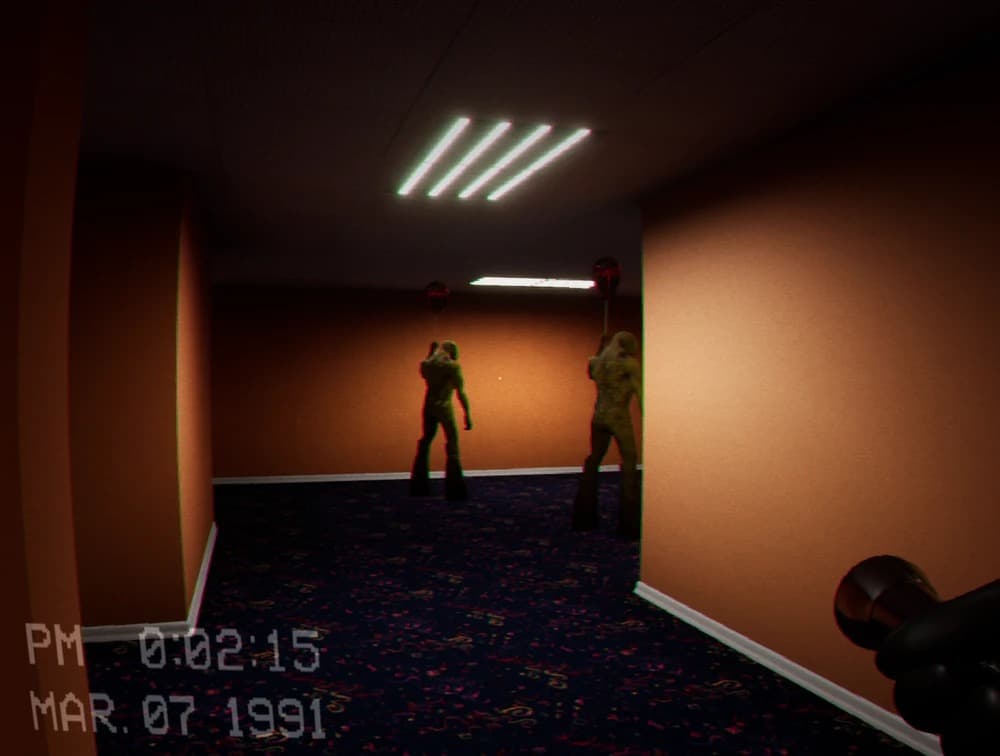
Escape the Backrooms Level Fun The Party Rooms
Escape the Backrooms Level Fun Party Rooms walkthrough: make stealth calls early, avoid Partygoers, and complete the party-room route intact.
Read More → Escape the Backrooms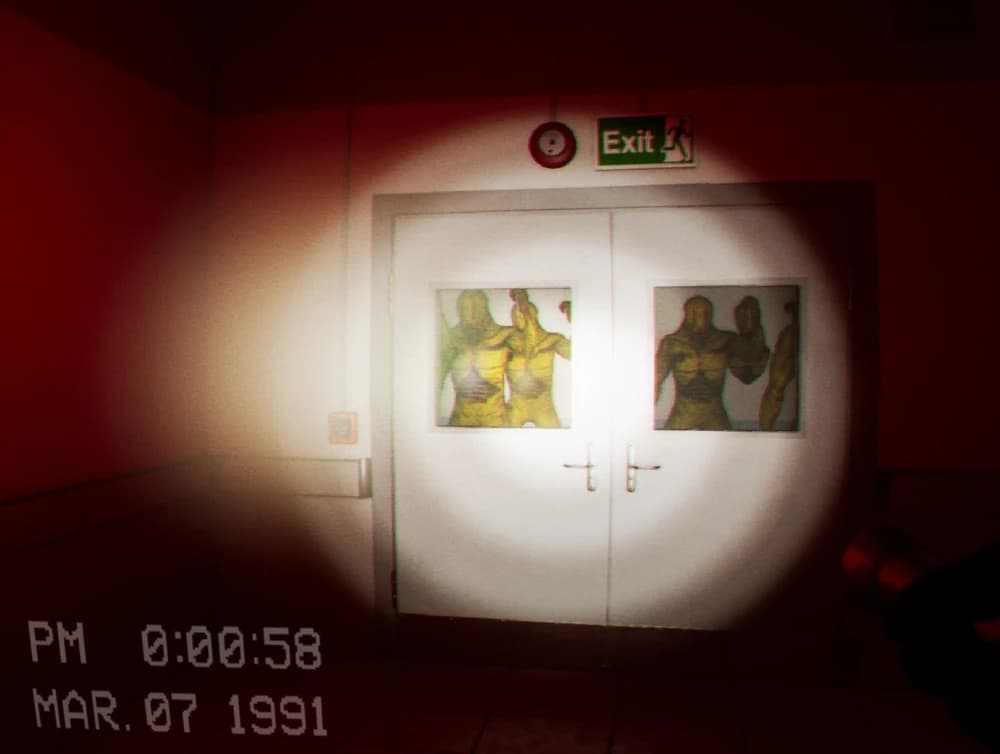
Keep exploring
Level Guide
Escape the Backrooms Level Fun Party Rooms walkthrough: make stealth calls early, avoid Partygoers, and complete the party-room route intact.
Read More →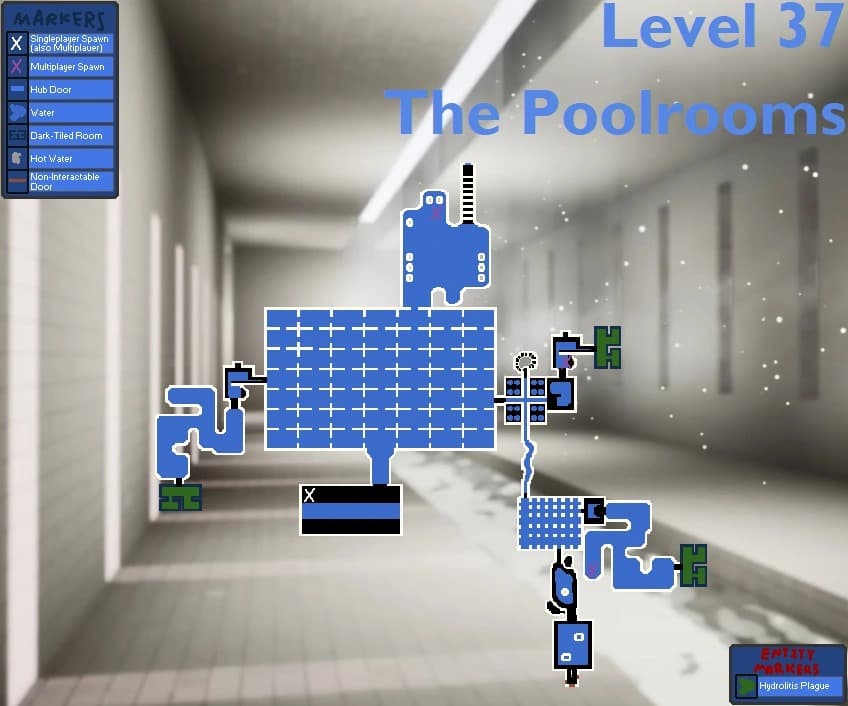
Level Guide
Escape the Backrooms Level 37 Poolrooms walkthrough: manage Sanity, respect deep-water risks, and use landmarks to find the safe route out.
Read More →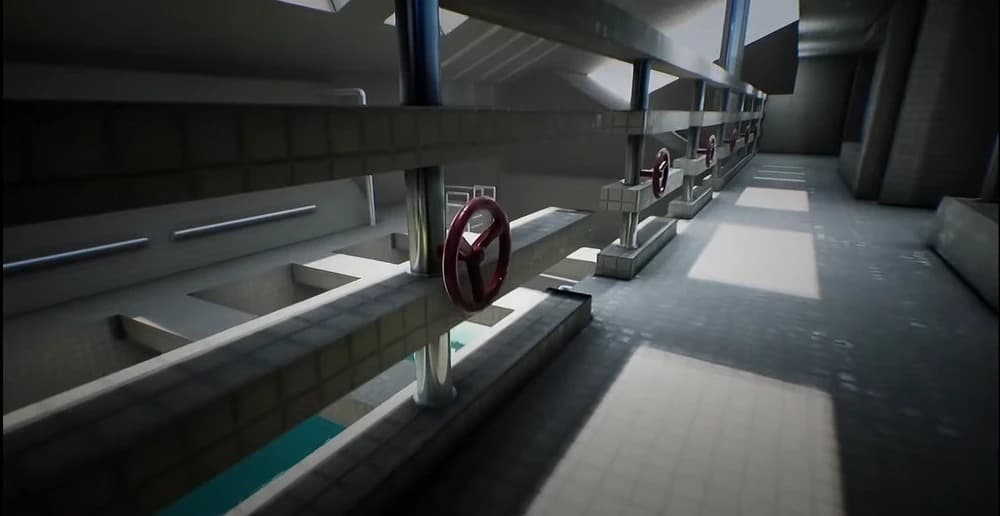
Level Guide
Escape the Backrooms Level 37.2 Poolrooms walkthrough: use the intended movement route, protect Sanity, and navigate the second Poolrooms section safely.
Read More →Escape the Backrooms Level Run For Your Life Walkthrough is easiest when you treat it as a sequence of small, confirmable decisions instead of a race to the first exit you notice. This guide concentrates on the chase sequence, obstacle reading, and finish-line timing. Your first goal is not to memorize every room. It is to establish a repeatable loop: find a clear landmark, identify the next required action, and leave yourself a route back if the situation changes.
The pressure in this area usually comes from reacting late because you are watching behind you. Slow the run down for a few seconds whenever you enter a new section. Check the direction you arrived from, look for the clue that proves you are in the right place, and agree on the next destination before anyone drifts ahead. That simple habit saves more attempts than any risky shortcut.
Begin with a reconnaissance pass rather than a full search. Follow the most readable route through the opening space, noting doors, signs, unusual lighting, and objects that stand apart from the background. These details are more useful than an abstract map because they still work when the group gets separated or an encounter forces you to retreat.
Keep your movement purposeful. If an interaction does not clearly advance the route, leave it for a second pass. This prevents the team from carrying too many unfinished ideas at once. In solo play, say the plan to yourself before moving on. In co-op, name the landmark and the intended objective in one short callout. Everyone should be able to describe where to regroup without relying on a vague direction.
Once the opening route is clear, work through the objective one piece at a time. Confirm what must be collected, activated, avoided, or matched before you spend time searching for a final exit. If the level presents a puzzle, record the clue first and interact second. A wrong attempt can cost more time than a careful observation.
Use safe positions as real checkpoints. After completing a step, pause long enough to check inventory, stamina, light, and team position. The best route is not always the shortest line on paper; it is the line that lets you recover from a missed turn. When a hazard changes the pace, return to the last known landmark and rebuild the route from there instead of guessing.
As the run approaches its final objective, reduce unnecessary exploration. You should now know which route is productive, which rooms are optional, and which actions can wait until a later attempt. Learn the forward line first and use corners to reset your focus. Keep the exit path in mind while completing the final interaction so you are not forced to solve the last part twice.
For groups, use roles without overcomplicating them: one player confirms the next objective, one watches the approach, and everyone calls out a change in danger. For solo players, use the same discipline by moving only after you can explain why the next room matters. This approach turns a tense section into a series of manageable choices.
Prioritize the first action that confirms the route: a landmark, required item, puzzle clue, or safe transition. Everything else becomes easier once that anchor is established.
No. Explore until you can prove which branch advances the objective, then return for optional discoveries only when the route is stable.
Regroup at the last landmark everyone recognizes. Rebuild the plan from that point rather than sending different players into separate guesses.
For another route with a different kind of pressure, continue with the next Escape the Backrooms guide.
Run for Your Life is not the place to debate every turn. Before the trigger, identify the branch that starts the sequence, the first landmark after it, and the place where players must wait for a shared mechanism. In multiplayer, decide whether the lead player calls turns or whether everyone follows a numbered order. Both approaches work when agreed in advance; neither works when four players discover different routes at the same time.
During the chase, use the shortest possible callouts. Say a landmark, a turn, or a problem, then keep moving. If a teammate falls behind, the group should reach the next safe segment before trying to solve a rescue. Stopping inside an active route often makes the pursuing danger catch multiple people. After a failed run, do not improvise a completely new path; return to the start, compare the last confirmed landmark, and change one decision at a time.
The calmer Poolrooms route is a useful contrast because it lets the team recover and rebuild communication after a chase. Read the Poolrooms walkthrough for its water and Sanity rules. For the earlier stealth logic that leads into a high-pressure movement section, the Party Rooms guide provides a related preparation model.