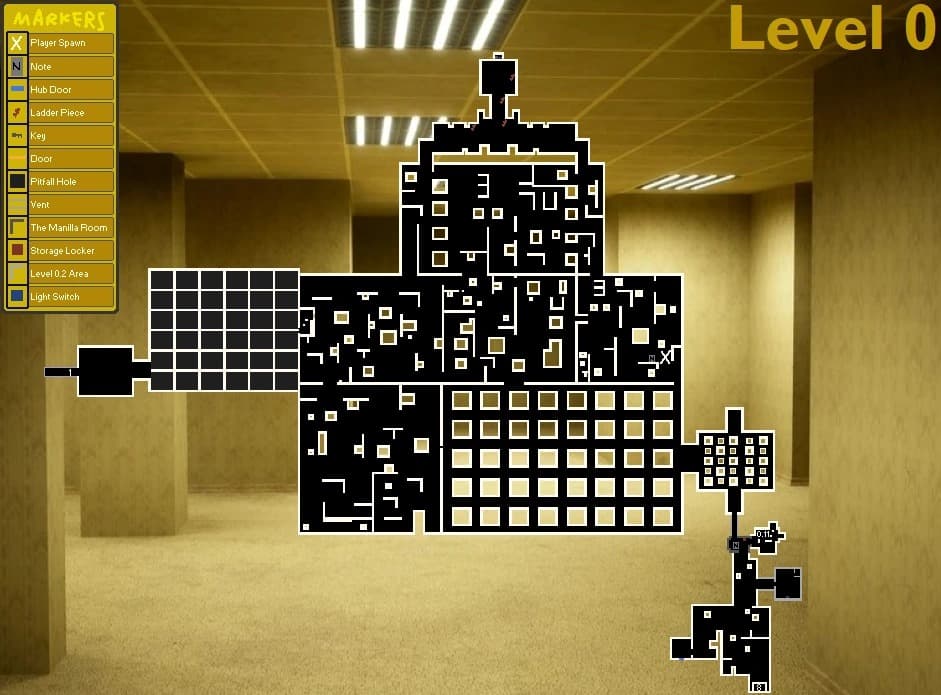
Level Guide
Escape the Backrooms Level 0 The Lobby
Escape the Backrooms Level 0 Lobby walkthrough: collect ladder pieces, repair the ladder, find the key, and exit the yellow hallway safely.
Read More → Escape the Backrooms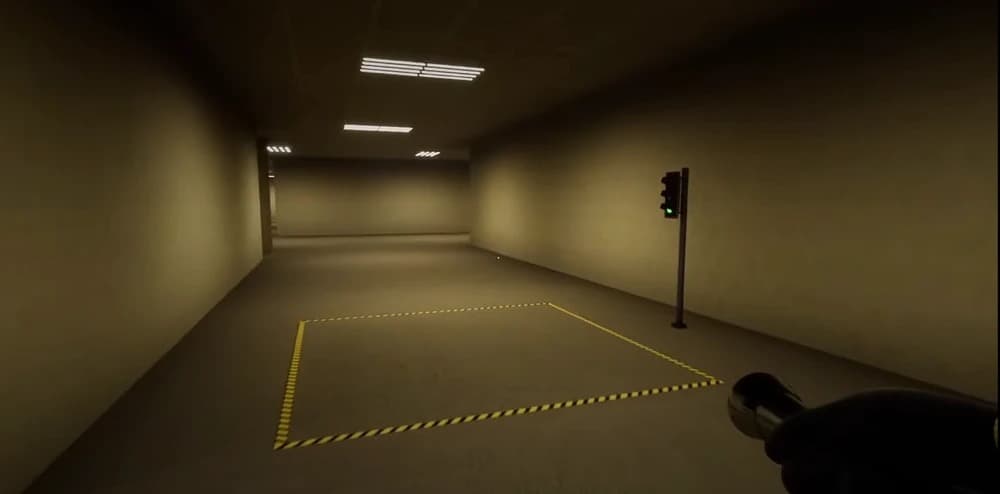
Keep exploring
Level Guide
Escape the Backrooms Level 0 Lobby walkthrough: collect ladder pieces, repair the ladder, find the key, and exit the yellow hallway safely.
Read More →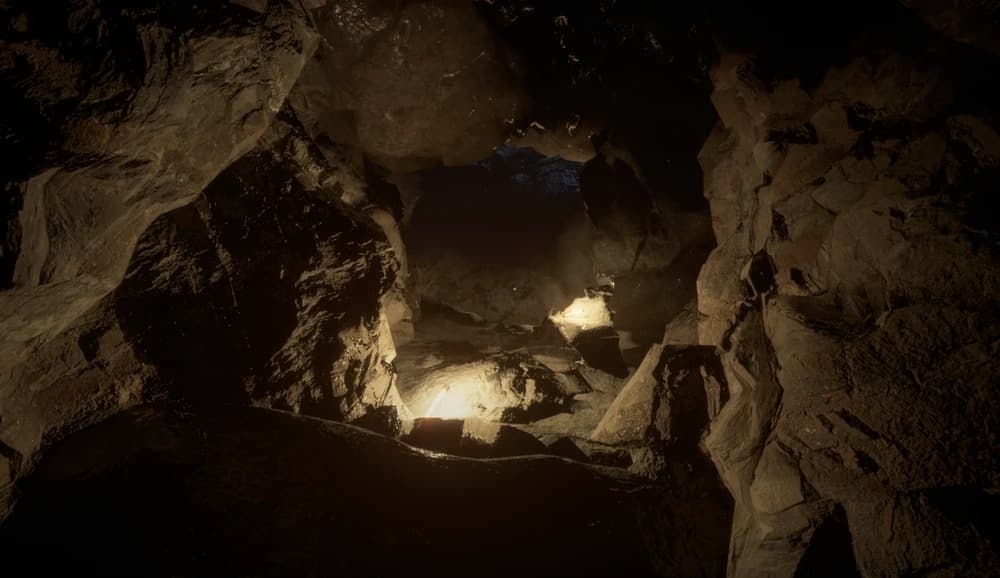
Level Guide
Escape the Backrooms Level 8 Cave System walkthrough: use airlocks, track supplies, enter code 826, and keep a route back out of the caves.
Read More →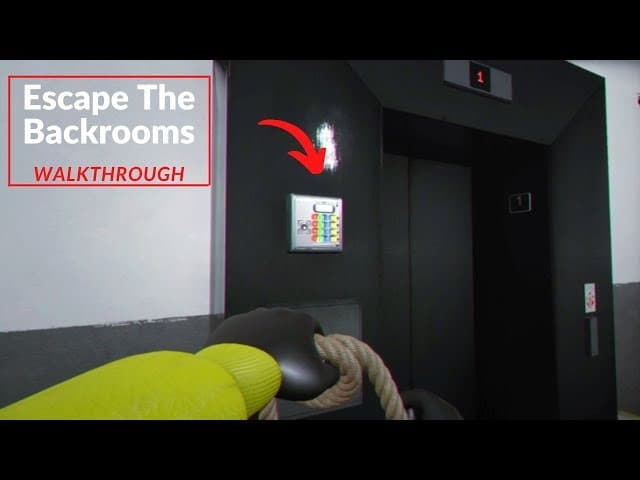
Level Guide
Escape the Backrooms Level 1 Habitable Zone walkthrough: coordinate three floors, collect four keys, solve the vault, and find the active elevator.
Read More →Escape the Backrooms Level 0 2 Ancient Path Walkthrough is easiest when you treat it as a sequence of small, confirmable decisions instead of a race to the first exit you notice. This guide concentrates on ancient-path landmarks, route choices, and steady exploration. Your first goal is not to memorize every room. It is to establish a repeatable loop: find a clear landmark, identify the next required action, and leave yourself a route back if the situation changes.
The pressure in this area usually comes from treating an optional detour as the main path. Slow the run down for a few seconds whenever you enter a new section. Check the direction you arrived from, look for the clue that proves you are in the right place, and agree on the next destination before anyone drifts ahead. That simple habit saves more attempts than any risky shortcut.
Begin with a reconnaissance pass rather than a full search. Follow the most readable route through the opening space, noting doors, signs, unusual lighting, and objects that stand apart from the background. These details are more useful than an abstract map because they still work when the group gets separated or an encounter forces you to retreat.
Keep your movement purposeful. If an interaction does not clearly advance the route, leave it for a second pass. This prevents the team from carrying too many unfinished ideas at once. In solo play, say the plan to yourself before moving on. In co-op, name the landmark and the intended objective in one short callout. Everyone should be able to describe where to regroup without relying on a vague direction.
Once the opening route is clear, work through the objective one piece at a time. Confirm what must be collected, activated, avoided, or matched before you spend time searching for a final exit. If the level presents a puzzle, record the clue first and interact second. A wrong attempt can cost more time than a careful observation.
Use safe positions as real checkpoints. After completing a step, pause long enough to check inventory, stamina, light, and team position. The best route is not always the shortest line on paper; it is the line that lets you recover from a missed turn. When a hazard changes the pace, return to the last known landmark and rebuild the route from there instead of guessing.
As the run approaches its final objective, reduce unnecessary exploration. You should now know which route is productive, which rooms are optional, and which actions can wait until a later attempt. Keep the intended objective visible before testing side discoveries. Keep the exit path in mind while completing the final interaction so you are not forced to solve the last part twice.
For groups, use roles without overcomplicating them: one player confirms the next objective, one watches the approach, and everyone calls out a change in danger. For solo players, use the same discipline by moving only after you can explain why the next room matters. This approach turns a tense section into a series of manageable choices.
Prioritize the first action that confirms the route: a landmark, required item, puzzle clue, or safe transition. Everything else becomes easier once that anchor is established.
No. Explore until you can prove which branch advances the objective, then return for optional discoveries only when the route is stable.
Regroup at the last landmark everyone recognizes. Rebuild the plan from that point rather than sending different players into separate guesses.
For another route with a different kind of pressure, continue with the next Escape the Backrooms guide.
Escape the Backrooms Level 0.2 works best when the group treats every symbol and gate as a recordable clue. Before interacting with a door, identify what the nearby markings are comparing: a shape, a direction, a number, or a pairing. One player can read the wall while another keeps the route back visible, but both should repeat the proposed order before it is entered. This avoids the common mistake of finding a clue in one chamber and applying it to a similar-looking gate in the next chamber.
The return connection matters as much as the forward puzzle. Ancient Path is tied to the Cave System route, so supplies and landmarks should be planned with the expectation that you may need to leave the same way you entered. Do not spend a useful light source or healing item merely to check an unmarked side room. Instead, clear one gate, confirm the new landmark, then decide whether the new section is productive. The Cave System walkthrough gives the wider context for this return route and the elevator transition.
If the miniature-room sequence is available, use the blackout moments to record the whole set before touching the locker. The useful lesson is not a memorized answer but a repeatable method: switch the light, identify the symbol and its placement, then write the sequence in the order the room reveals it. The resulting chainsaw is a progression tool for boards in the Manilla route, not a reason to ignore hazards while carrying it. For the first half of that route and a reliable reset point, revisit the Lobby guide.
If the note no longer matches the gate in front of you, stop and reread the room instead of changing symbols until something opens. A deliberate reset costs less than carrying a wrong assumption into the cave return.